Home/OPINION PIECES/
ARTISTIC CONTROL OR CREATIVE OVERREACH? Why Do Some Directors Consistently Take Prominent Roles In Their Own Films?

OPINION PIECES
ARTISTIC CONTROL OR CREATIVE OVERREACH? Why Do Some Directors Consistently Take Prominent Roles In Their Own Films?
A
Anastasia Damian
4 min read
There is a particular kind of filmmaker who never seems content remaining behind the camera. No matter the story, somehow they end up in the middle of it. Sometimes as the lead character, the emotional centre, or as the face of the entire marketing campaign, even when another actor carries the story. For audiences, this creates divided reactions. Some viewers see artistic confidence. Others see ego.
And the truth is, both interpretations can exist at the same time.
Directors placing themselves prominently in their own projects is not new. Film history is filled with actor-directors who became inseparable from their work. In many cases, their presence actually strengthens the project. Their faces become brands. Audiences know what emotional experience they are buying into before the trailer even begins and it sells.
A recognisable filmmaker attached visibly to a project can pull audiences into cinemas faster than an unfamiliar cast member ever could. Fans develop trust. They believe, rightly or wrongly, that if a certain person is attached, the movie will deliver a specific kind of entertainment.
But branding is a dangerous thing in art.
The more audiences associate a filmmaker with one style, one persona, or one recurring character archetype, the harder it becomes for viewers to approach new work with neutrality. People stop watching the actual movie and start watching their assumptions about the filmmaker.
That is where the downside begins.
Some viewers may dislike the filmmaker personally, despite respecting their talent.
Others may become exhausted by constant visibility and start interpreting every appearance as self-insertion rather than creative necessity. Then there is the even trickier problem of audience expectation. If people strongly associate a director-actor with one tone or formula, they may completely misread future projects before even watching them.
And that brings the conversation to Funke Akindele.
There is no serious argument against her impact on modern Nigerian cinema. Her production company has consistently delivered box office success, cultural relevance, and stories that connect with large audiences. Whether people personally enjoy every film or not, the results speak loudly. She understands audience behaviour better than many filmmakers currently working.
But her project, Behind The Scenes, reignited an ongoing conversation about visibility and ownership in filmmaking.
One of the strongest reactions online came from the marketing itself.
Funke Akindele appeared prominently on major promotional materials while the film’s actual lead actress received less visibility. For many viewers, that single decision shaped expectations before the movie even premiered. Audiences assumed they already knew the type of film they were getting. Another loud comedy. Another variation of the familiar “Jenifa” energy. Another Funke Akindele-centric universe.
Then people watched the movie and realized it was not necessarily that at all.
Ironically, the very marketing strategy designed to attract viewers may also have limited how people initially perceived the project creatively. Some avoided the film entirely because they believed they had already seen this version before. Others only discovered later through reviews and spoilers that the movie offered something different from what they expected.
That disconnect is fascinating because it raises an uncomfortable question: when does a recognisable creative identity become restrictive? Critics often throw around phrases like “main character syndrome” when discussing directors who heavily feature themselves in their work. But that label can oversimplify a more complicated reality.
What if the explanation is less narcissism and more practicality?
Funke Akindele is not simply a director. She is also an actress who clearly enjoys performing. Directing does not automatically erase the desire to act. In fact, for many creatives, acting and directing are extensions of the same storytelling instinct.
There is also the industry reality to consider.
Once an actor reaches a certain level of fame and creative control, where exactly do they fit outside their own productions? Are other filmmakers writing roles for them that feel substantial enough? Are they being offered opportunities beyond the persona audiences already know them for?
If those opportunities shrink, then their own production house may become the only reliable space where they can continue acting consistently while maintaining creative freedom.
Seen from that angle, appearing in one’s own films stops looking purely like ego and starts looking like artistic survival.
Still, audience criticism is not entirely unfair either.
There is a genuine risk when one person becomes too dominant within their own cinematic universe. Other actors can become overshadowed. Stories can begin bending unnaturally around a familiar persona. Marketing can unintentionally flatten diverse narratives into “another film by the same personality.” Eventually, audiences stop distinguishing between characters and the celebrity behind them.
And once that happens, every new project looks the same.
Perhaps the real issue is not whether directors should act in their own films. Plenty of brilliant filmmakers have done that successfully. The real challenge is balance. Can the filmmaker disappear enough into the story for audiences to see the film before they see the brand?
That balance is difficult, especially when the brand itself is what keeps the industry profitable.
In the end, audiences are drawn to familiarity until familiarity becomes predictability. The smartest filmmakers understand how to use their presence as a bridge into a story without allowing it to consume the story entirely.
That is the line between artistic control and creative overreach.
Tags
Share
A
Anastasia Damian
Contributor
Anastasia Damian is a contributor to Kiribé, covering culture, cinema, and the intersection of art and society across the African continent and beyond.
Read next
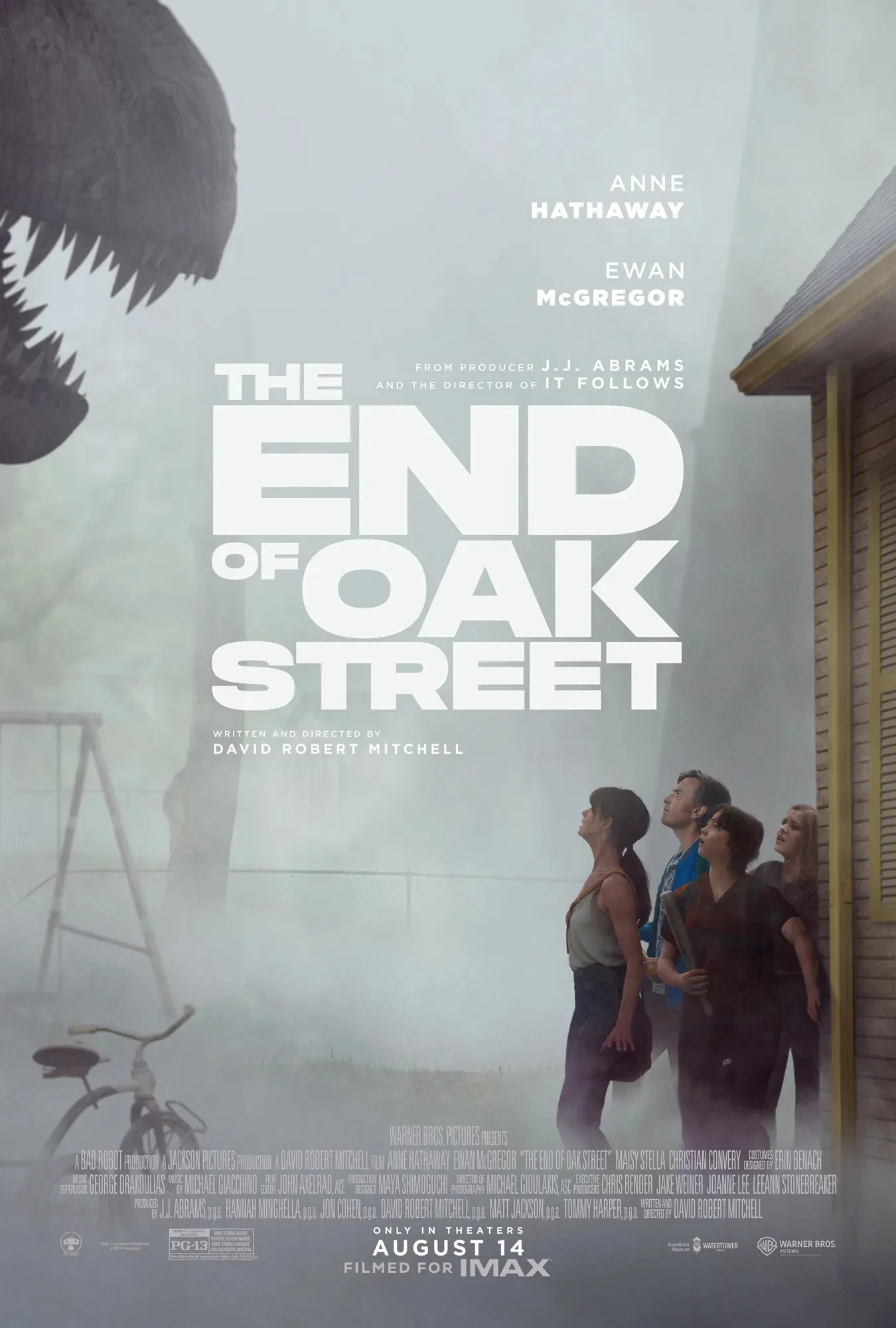
MOVIE REVIEWS
Movie Review: The End of Oak Street
The End of Oak Street is a fun supernatural survival movie with great creature design, but its messy time-travel rules turn what seemed like a satisfying ending into something much darker.
Anastasia Damian
·
Join the Conversation
Stay Ahead of the Story
Subscribe to Kiribé for premium entertainment journalism, exclusive interviews, and cultural commentary delivered weekly.