Film
The comeback of the two-hour drama
K
Kiribé Editor
2 min read
After a decade of three-hour epics and hundred-minute streamers, the two-hour drama is quietly returning as the industry sweet spot.
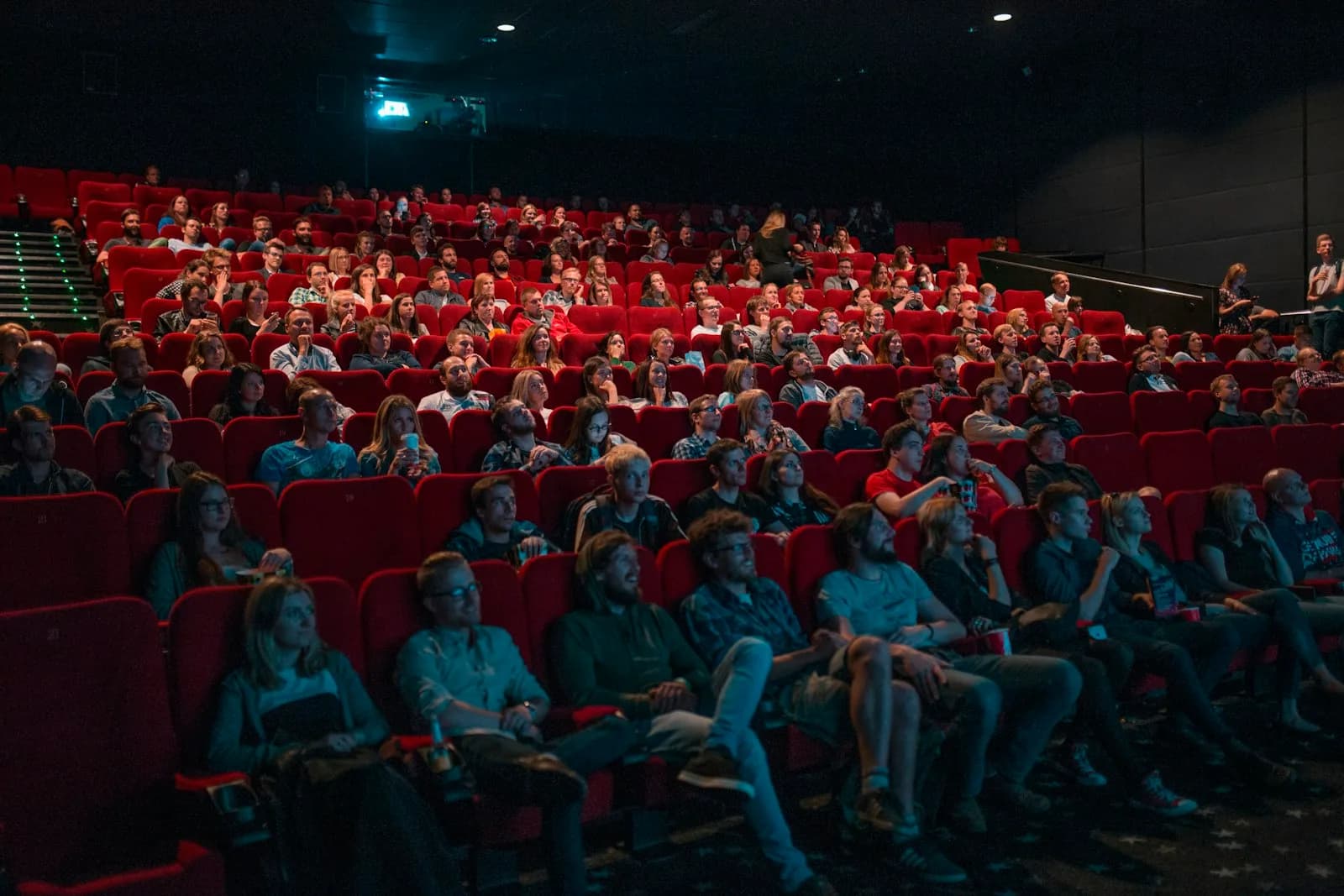
Something has been happening at the sub-two-hour end of the release schedule that the trade press has not quite caught up with. Half a dozen of the year's best-reviewed dramas have come in between one hundred and one hundred and twenty minutes, and audiences have rewarded that discipline at the box office. The two-hour drama is back, and its return says something interesting about how the audience's attention has recalibrated after a decade of streaming abundance.
The three-hour epic is not going away — Killers of the Flower Moon and Oppenheimer proved there is still an audience for the extended runtime — but it is no longer the default posture of the prestige drama. What has changed is that filmmakers are once again willing to cut, to compress, and to trust an ellipsis to do the work of a scene. The best example this year is a small American independent that runs one hundred and seven minutes and covers thirty years of a marriage. It works precisely because it does not pretend to be a novel.
Compare that to the middle years of Peak TV, when a story that could have been a taut ninety-minute film was routinely stretched across ten episodes to justify the streaming spend. That model is finally cracking. Subscriber numbers have plateaued, ad-supported tiers are pulling audience attention back toward shorter durations, and the streamers themselves are quietly commissioning more features and fewer limited series.
The counter case is that the two-hour runtime is a Hollywood convention imported from studio-era distribution economics, and that a story deserves whatever length it deserves. Fair enough. But the discipline of the two-hour cut has a specific artistic value — it forces a filmmaker to decide what the film is about, which is a decision the streamer-length format tends to defer.
The two-hour drama also has a practical advantage that no one likes to admit: it can play twice a night in a repertory house, twice on a Sunday afternoon at a multiplex, and once on a cross-continental flight. Length is a distribution decision as much as an artistic one, and the tide is moving back toward tightness. That is a good thing for cinema, and for the audience that still shows up to watch it.
Share
K
Kiribé Editor
Editorial Desk
Published by the Kiribé editorial desk, covering culture, cinema, and the intersection of art and society across the African continent and beyond.
Read next
Film
The A24 house style, decoded
How a mid-sized distributor turned a color palette and a soundtrack sensibility into a recognisable brand of American film.
Kiribé Editor
·
Film
Villeneuve's Dune Part Two blocking
The second Dune film is a masterclass in how to move actors through negative space — and how to make an epic feel human.
Kiribé Editor
·
Join the Conversation
Stay Ahead of the Story
Subscribe to Kiribé for premium entertainment journalism, exclusive interviews, and cultural commentary delivered weekly.