
Opinion
Why we still need the mid-budget movie
K
Kiribé Editor
2 min read
The film industry's argument against the mid-budget theatrical release is an economic one — and it deserves a cultural rebuttal.
The argument the industry has been quietly making against the mid-budget theatrical release is fundamentally an economic one: that the marketing spend required to make an adult drama profitable in cinemas no longer produces a return, and that the audience for those films has migrated to streaming. That is a serious argument, and it deserves a serious answer. But the cultural stakes of losing the mid-budget theatrical film are large enough that the economic case needs to be tested rather than accepted.
The theatrical experience is not just a distribution decision. It is a compositional decision, and a critical one. A director shooting for a forty-foot screen makes different choices about pacing, framing, sound design and edit rhythm than a director shooting for a fifty-inch television. The two crafts overlap significantly, but they are not identical, and the discipline of composing for the theatrical room is one of the specific things that made American cinema great in its post-war peak. Losing the mid-budget theatrical film means losing the training ground for that craft.
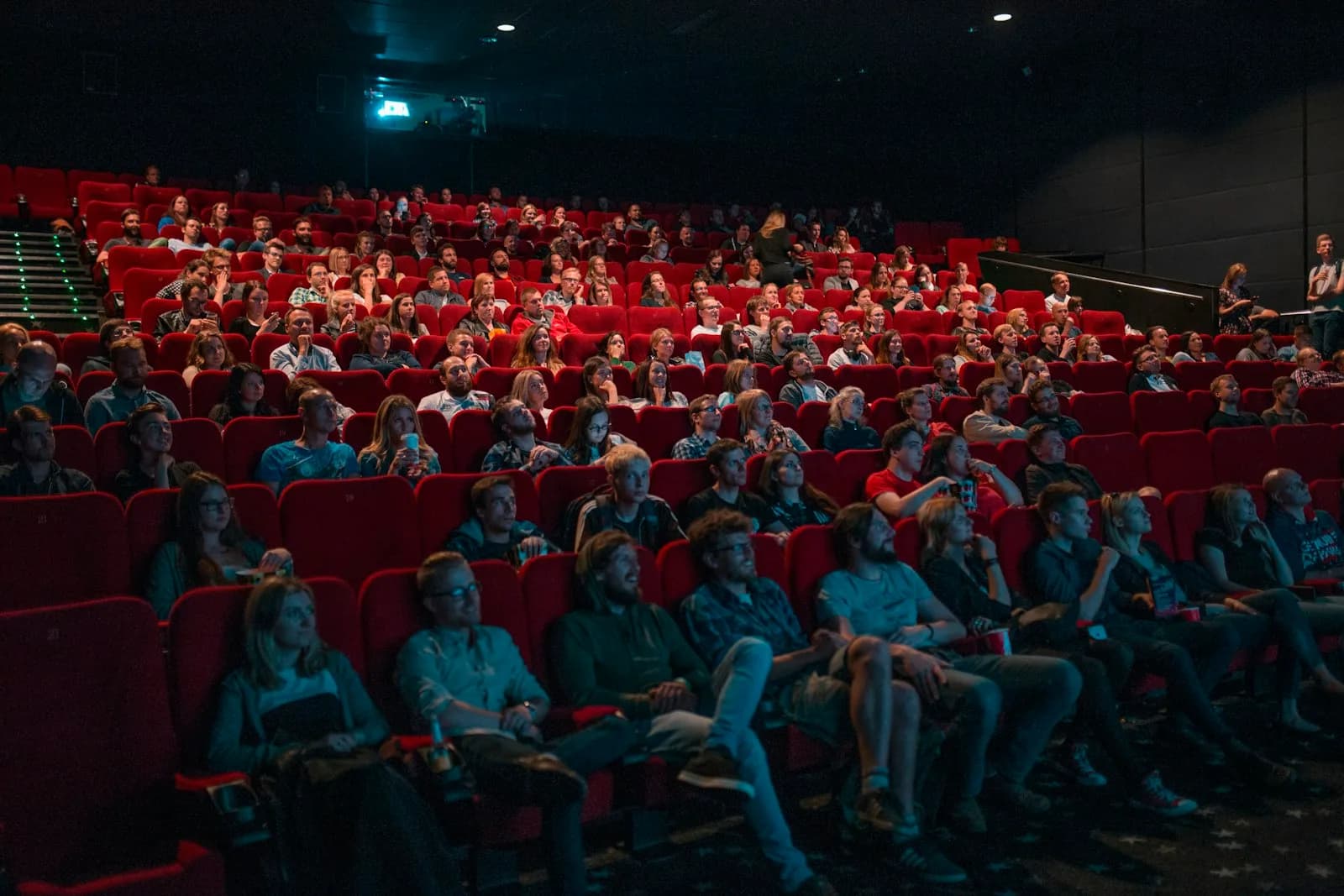
There is also a social case. Cinema is one of the few remaining cultural experiences that requires uninterrupted attention in the presence of strangers, and that combination is itself a form of civic infrastructure. A film seen in a room with two hundred other people is a different film than the same one seen alone on a couch. The distinction matters not just aesthetically but democratically — mass culture is thinner when it has fewer shared rooms.
The counterargument is that the industry cannot support what the audience will not pay for, and that streaming has revealed a preference the theatrical model was suppressing. There is some truth to that. But it is also true that the theatrical mid-budget was killed by a specific pricing decision — the collapse of the DVD market — and that no serious effort has been made to rebuild a functioning cinema economy at the two-to-five-million-dollar marketing level. The audience did not choose streaming over cinema; it chose streaming over the fifteen-dollar ticket in the absence of a five-dollar alternative.
None of this is nostalgic. The mid-budget theatrical film should not be preserved because it used to exist. It should be preserved because it produces a specific kind of cinema — adult, character-driven, formally patient — that the current market is systematically failing to fund. That is a cultural loss, and the industry that presides over it should not be permitted to shrug it off as a natural evolution of consumer preference.
Share
K
Kiribé Editor
Editorial Desk
Published by the Kiribé editorial desk, covering culture, cinema, and the intersection of art and society across the African continent and beyond.
Related Articles
Read next

Film
A short defense of the mid-budget
Hollywood has hollowed out the middle — tentpoles at one end, independents at the other. That's the wrong shape for a healthy industry.
Kiribé Editor
·
Film
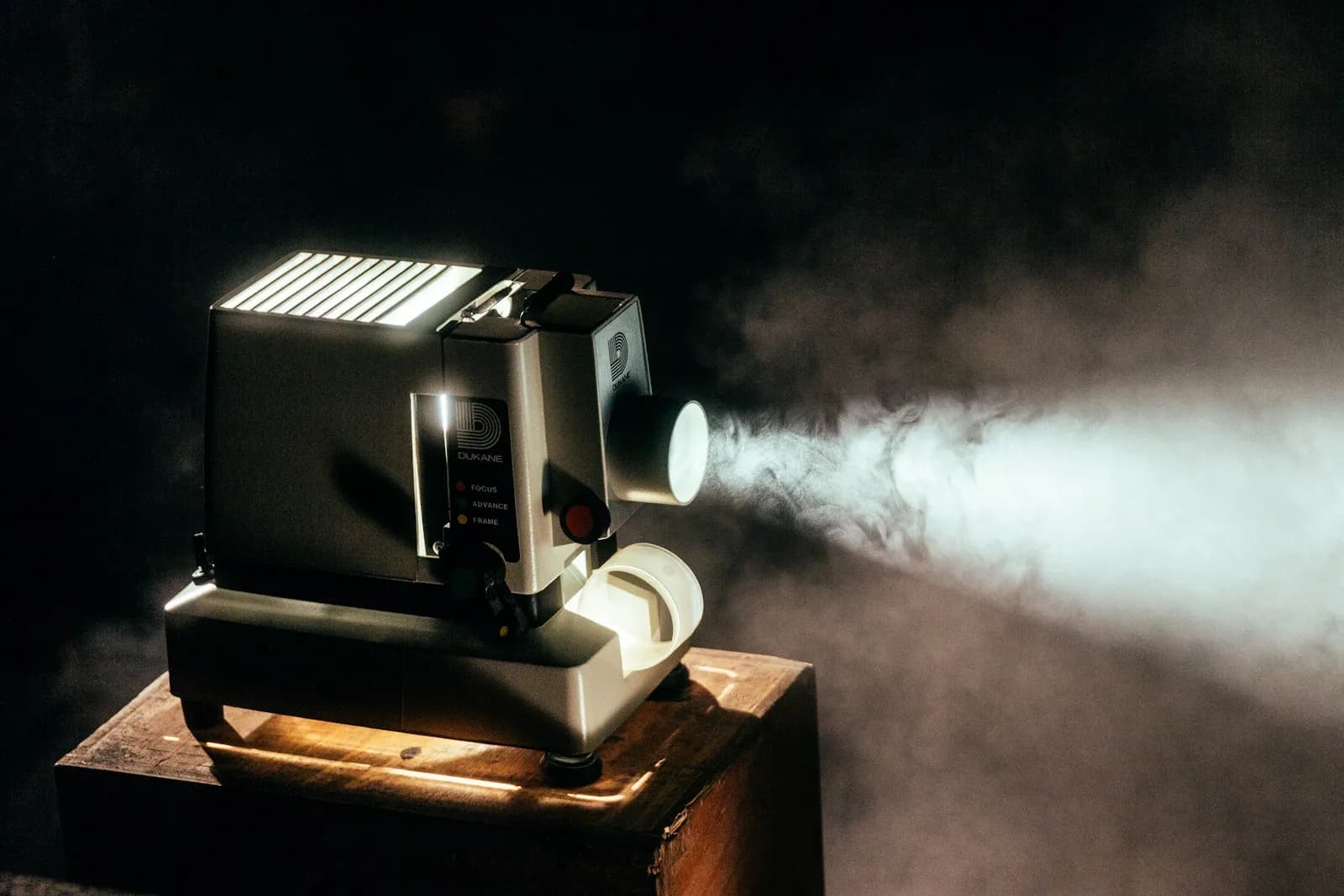
What Christopher Nolan's IMAX obsession is actually about
The format war is not really about resolution — it's about a director defending a specific kind of theatrical attention.
Kiribé Editor
·
Film
The comeback of the two-hour drama
After a decade of three-hour epics and hundred-minute streamers, the two-hour drama is quietly returning as the industry sweet spot.
Kiribé Editor
·
Join the Conversation
Stay Ahead of the Story
Subscribe to Kiribé for premium entertainment journalism, exclusive interviews, and cultural commentary delivered weekly.