Film
Barry Jenkins in his blue-hour period
K
Kiribé Editor
July 20, 2026
2 min read
From Moonlight to The Underground Railroad, Jenkins has been refining a single obsession — how light falls on Black skin at dusk.
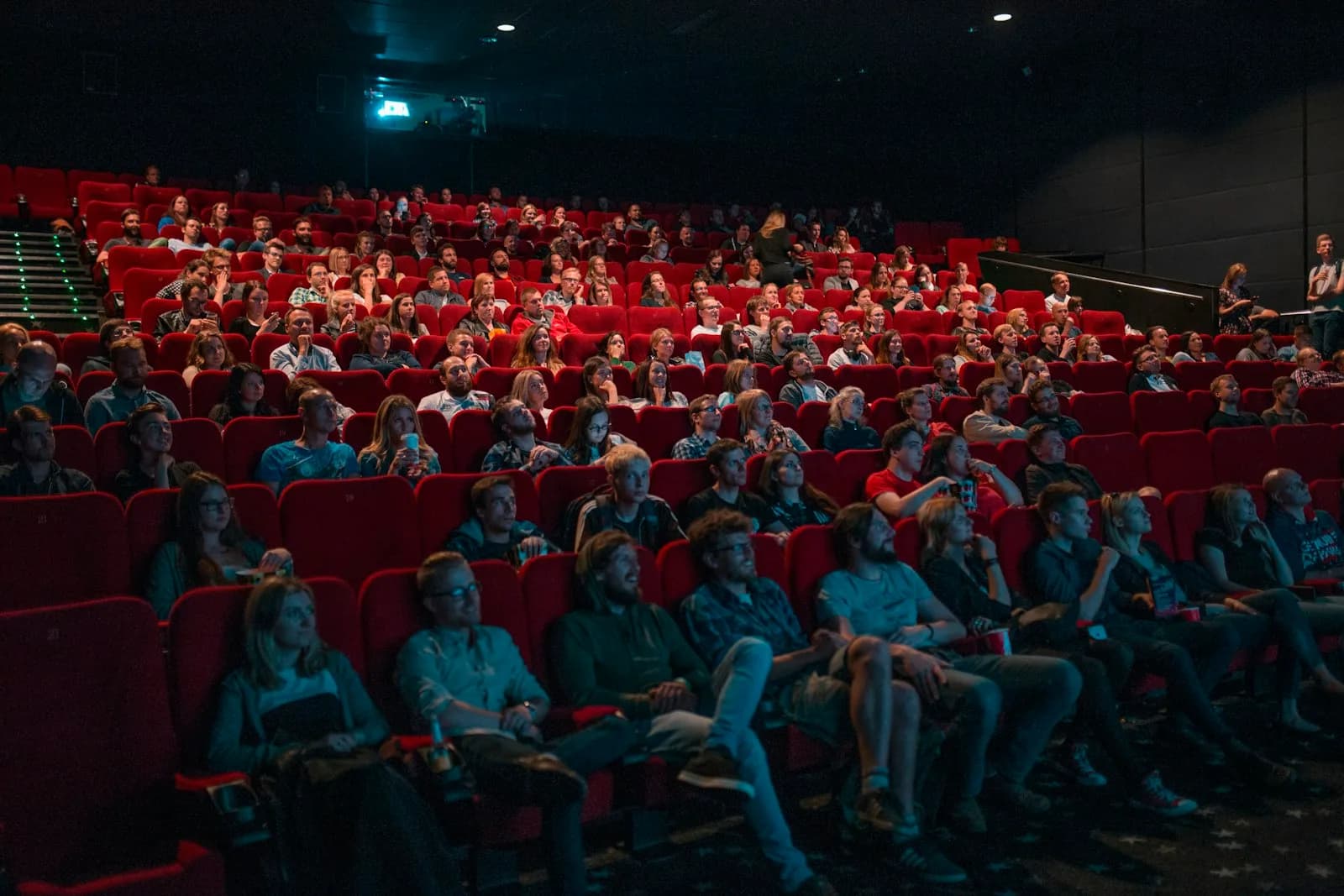
There is a specific colour temperature that recurs across Barry Jenkins' work — a soft, teal-leaning blue that arrives fifteen minutes after sunset and lasts about twenty minutes. Cinematographer James Laxton calls it the negotiating hour: still enough natural light to shape a face, but low enough that skin takes on a photographic depth you cannot buy with a lamp. Jenkins has been chasing that window since Moonlight, and it has become inseparable from his authorial signature.
If Beale Street Could Talk pushed the palette further, layering warm interior tungsten against that blue exterior wash until the film began to feel almost synaesthetic. The Underground Railroad, shot for television, did not lose the discipline. Every station on the railroad has a distinct lighting temperature and the show cuts between them the way a symphony cuts between movements. It is arguably the most beautifully shot piece of American television since Deadwood.
The reason this matters is not aesthetic vanity. Jenkins is answering a specific historical problem: cinema has been calibrated for pale skin since the introduction of Shirley cards, and Black faces have been consistently under-served by the medium. His blue-hour period is a technical rebuttal to that history. It insists that Black skin has depth, temperature, and reflectivity that reward careful light, and that a director who does not know this is leaving the frame emotionally shallow.
There are counter-currents in his work — the flatter, more documentary lighting of Aftersun's producer credit, the harsher noon light of the Amazon short The Gaze — but even those choices feel like conscious departures rather than the absence of a style. When Jenkins goes back to features later this year, expect the blue hour to be waiting.
The lesson for younger filmmakers is uncomplicated: pick a piece of the day and become fluent in it. Style, in the end, is a series of specific decisions made consistently enough that the audience starts recognising the person behind the camera without being told.
Share
K
Kiribé Editor
Editorial Desk
Published by the Kiribé editorial desk, covering culture, cinema, and the intersection of art and society across the African continent and beyond.
Read next
Film
The A24 house style, decoded
How a mid-sized distributor turned a color palette and a soundtrack sensibility into a recognisable brand of American film.
Kiribé Editor
·

TV
Late-night is not dead, it moved
Broadcast late-night has been declared over for the last decade — but the audience just relocated to a format the networks refuse to compete in.
Kiribé Editor
·
Join the Conversation
Stay Ahead of the Story
Subscribe to Kiribé for premium entertainment journalism, exclusive interviews, and cultural commentary delivered weekly.