MOVIE REVIEWS
TV Show Review: East of Eden
A
Anastasia Damian
27 min read
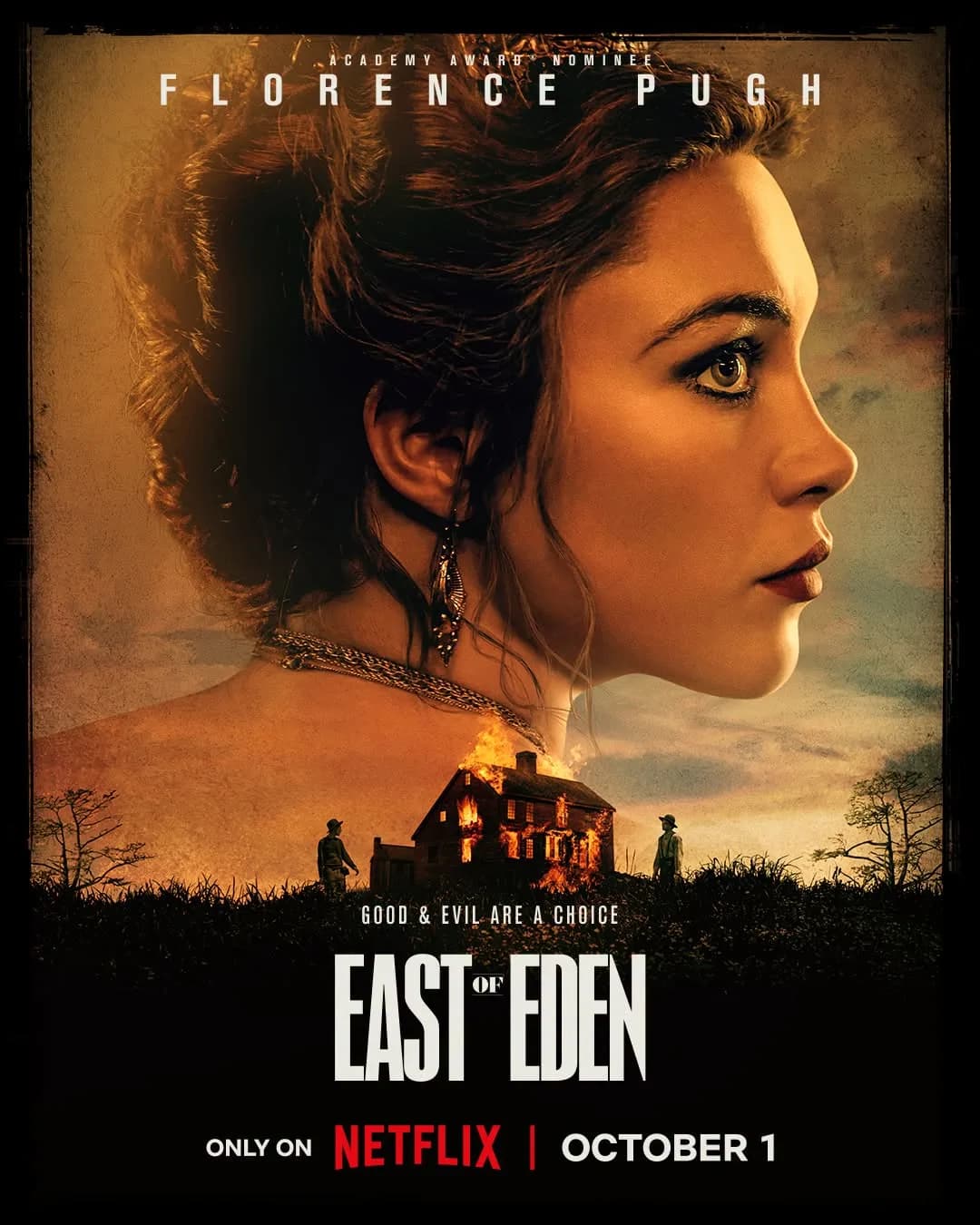
East of Eden is a beautifully acted, emotionally gripping period drama about a dysfunctional family whose cycles of jealousy, betrayal, obsession, and loss reveal how the inability to confront our own darkness can destroy the people we love.
Enough time has passed since its release for me to have a clearer head, and I think it is finally time to give East of Eden a proper review.
East of Eden is an adaptation of the novel of the same name by John Steinbeck. It premiered on Netflix on the 1st of this month, and it has been massively received, positively, if I may say so. The storyline, the acting, the casting, everything has been superb.
It is an amazing period drama that draws you in, keeps you locked in, and leaves you constantly wondering, “Oh my God, what next?”
We are going to be going character by character as we break down this review, because I think that is the only way I can properly do this without losing my mind.
Storyline
The storyline centres on the Trask family and Cathy Ames, exploring how our upbringing, personal choices, desires, wants, needs, and perspectives of the world can become so skewed that they make sense to us and us alone. It dives into betrayal, loss, forgiveness, backstabbing, and a whole lot of other vices in between.
Character Breakdown
Trask Senior
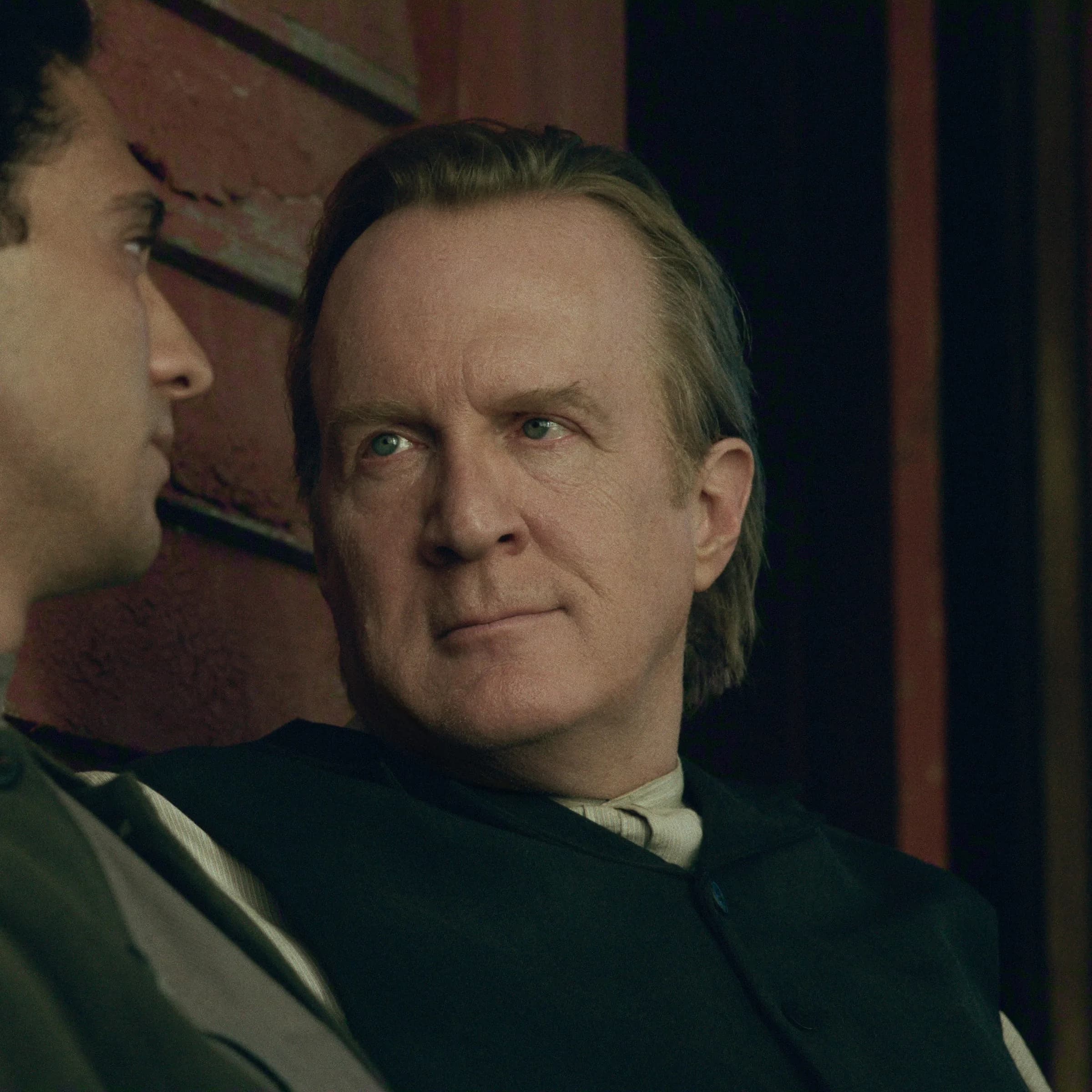
First of all, not everybody is supposed to be a parent. That is what I believe. But Trask Senior takes this belief of mine to another degree entirely.
Because tell me why a man who has sold the story of being a war hero, of being relevant to the war, turns out to be not just a fraud but a scoundrel and a thief who was cheating veterans out of their hard-earned money?
I mean, the fact that he was so dishonourable as a person, and it took until his death for his children to find out just how dishonourable he was, was disgusting.
He was a bad father. He was negligent, emotionally and physically abusive, and he was selective in his affection, preferring Adam, his first child from his first marriage, to Charles, his second child from his second marriage.
You would assume he would at least show the same type of love to both children. But somehow, that did not matter enough to him. What mattered was that they were boys, and he was going to be hard on them.
I was not surprised to see the children eventually rebelling in the ways they did. And then there was Adam, who was always trying to please his father as a child without even understanding why he was doing so. It turns out that he was trying so hard because his father preferred him to Charles.
He was a disgusting character, but not as disgusting as another character we are going to discuss later. Still, he was disappointing. He was annoying, and he was a vile man.
Charles Trask
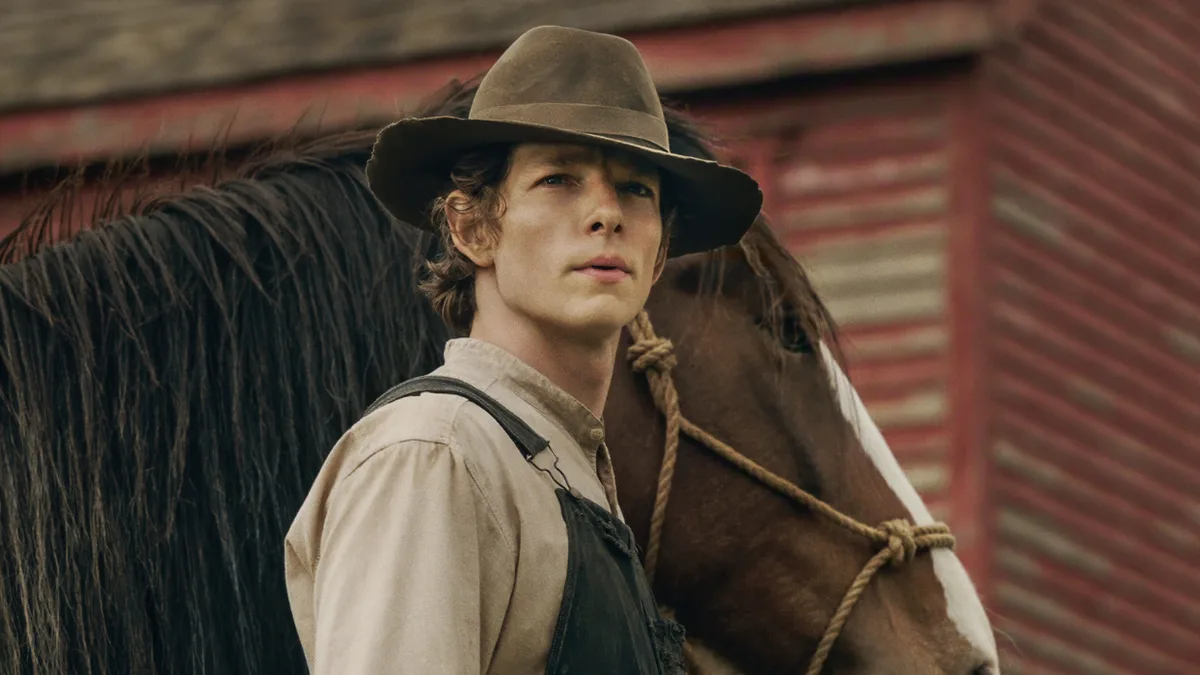
Charles is the second son of Trask Senior. And as much as he loved his brother to a certain degree, there was still envy and hatred towards Adam because he felt Adam was trying to take their father's love away from him.
But as he grows up, we come to see a Charles who comes to his senses; a Charles who tries to reach out to his brother after their father dies; a Charles who, unlike Adam, can see through Cathy's veil of disguise; a Charles who can identify the darkness and evil in Cathy, so much so that he tries to keep his brother from falling into her trap.
But whatever he does, it still does not work out because, ultimately, he has to let his brother live his own life, even after sleeping with Cathy.
Now, at first, I was like, he should have told Adam. But if he had told Adam that he slept with Cathy, Adam still would not have believed him. So, it was fine that whatever happened to Adam happened to Adam.
Charles was one of my favourite characters in the movie because he was so raw and relatable. You could see yourself in Charles to a certain degree, and you could understand why he made certain decisions, even if you did not necessarily agree with them.
As much as I did not like many of his decisions, especially sleeping with his brother's wife and beating Adam when they were still teenagers, you could still understand the frustration of never being the one chosen. Charles wanted to be the one to go into the military, yet his father still would not let him go.
If his father had allowed him to go, perhaps life would have been different for Charles.
Fortunately, Charles made it as a farmer, even after his brother went away. He was able to amass a fortune of around a hundred thousand dollars, which was a lot of money at the time.
Charles was a very complicated character, but you could see that he was trying to look out for his brother in the only way he knew how. And when his brother refused to listen, he simply left him to move on with his life.
Mr. Samuel
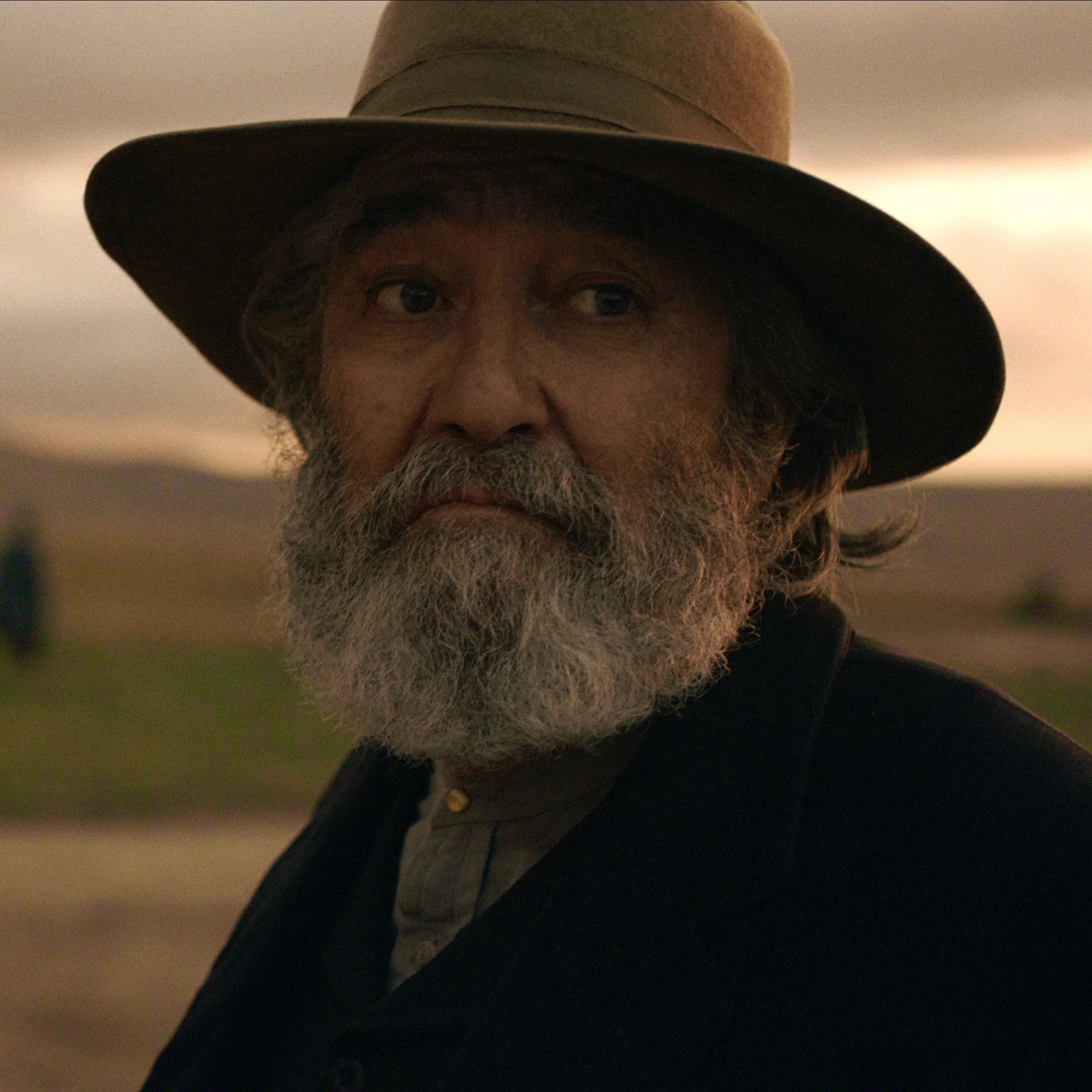
When Mr. Samuel came into the picture, I thought he was going to be a bad person. I thought he was going to be difficult, perhaps even someone who was prejudiced against the family. Well, not necessarily racist, but I expected him to have issues with them.
Turns out, he is actually one of the most enlightened characters in the movie. He was the first person to realise that Lee could speak fluently and was only pretending or code-switching into pidgin in order to fit in.
His conversation and friendship with Lee are among my favourite things in the movie because we get to see a man who considers it his responsibility to care for Adam and his boys, even when Adam himself does not care enough to do so.
I particularly loved the moment when he came back to beat up Adam and insisted that he name the boys. And the fact that his wife was so hands-on in helping Lee care for those children, from feeding them to bathing them, made me appreciate the couple even more.
Mr. Samuel was an added part of the movie that brought a certain kind of life to the story. Unfortunately, we were not given enough information about him and his wife. We did not really get a backstory for them, and I would have loved to know more. Perhaps we might get that in the future. I don't know if the book explores their stories in greater detail because I have never read it, but I certainly would not mind learning more about Mr. Samuel.
In terms of his character in the movie, he was an upstanding man who was almost like a grandfather to those children. And it was quite sad when he passed away.
I particularly enjoyed his conversations with Lee because Lee could be his ultimate self around Mr. Samuel, knowing that he would understand where he was coming from. That friendship gave Lee room to express himself without having to pretend to be someone else.
One moment that stood out to me was when they sat at the table and had a conversation about themselves. That was when you really got to see just how much Mr. Samuel listened to Lee, perhaps more than anyone else did.
Eventually, Adam had to learn to listen, but Mr. Samuel was the first person who truly listened to Lee. He was also able to see through the kind of person Cathy was, even without openly voicing his opinion about her.
He was a good man and a far better grandfather figure to those children than their biological grandfather could ever have been.
Madame Faye
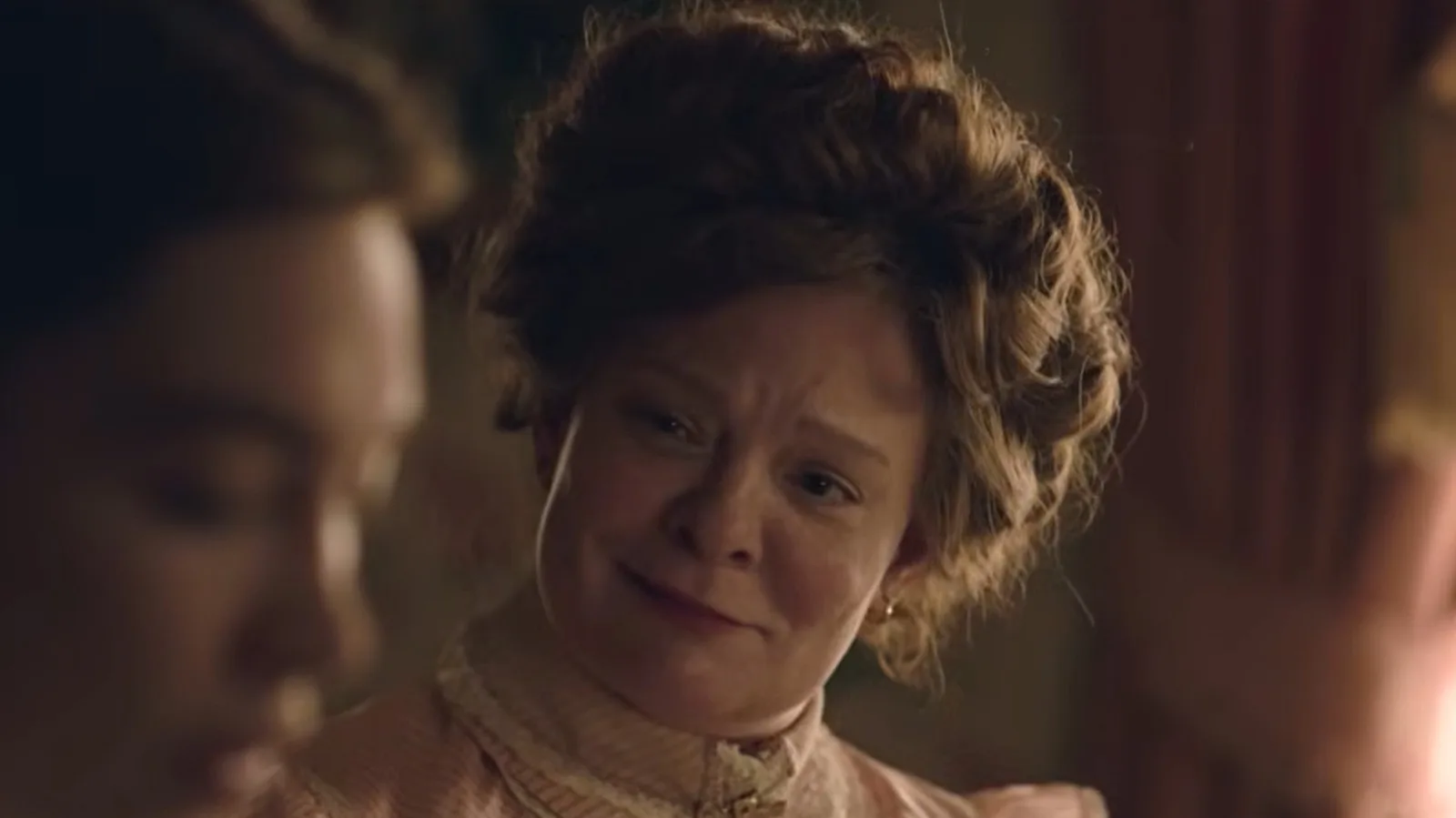
How do you run a brothel and still let your guard down because of loneliness? That was Faye's biggest mistake. She was so lonely, so desperate for attention from anybody who would look her way, that she allowed Cathy to manipulate her right to the very end.
Cathy played on her need for a child, her need for love, and her desire not to be lonely, and came up with what I can only describe as one of the best long-term plot I have ever seen someone commit to. Cathy was determined to get rid of Faye in the most meticulous way possible, ensuring that not a single accusing finger would point in her direction.
I was astonished by just how much Faye let her guard down, even to the point of adjusting her will.
Now, there was a particular scene where Faye began to suspect that Cathy was the reason she was falling ill. Fay said, “It seems like I get worse under your care.”
And I was like, why would you say that to Cathy? She should not have voiced her concerns to Cathy. She should have spoken to a trusted person or the doctor. By voicing her suspicions directly to Cathy, she practically fast-forwarded the entire process.
Again, I have to bring the sheriff into this conversation because, in a way, he contributed to what happened to Faye. The sheriff was inadvertently responsible for her death because, if he had told Faye what kind of person Cathy was, Faye would have been more vigilant around her. Better still, she might never have allowed Cathy to stay in her brothel in the first place.
But the sheriff, despite knowing the kind of person Cathy was and knowing what she had done to get into the brothel, decided to withhold that information from Faye. This allowed Faye to believe that Cathy was, in fact, a good person. And that assumption paved the way for the manipulation, Faye's lowered guard, and her eventual death.
Faye's death was unnecessary, and it was quite unfortunate to watch. She was a woman who had built a life and a business for herself, yet her loneliness made her vulnerable to someone who knew exactly how to exploit it.
But then, when you are rich and lonely, I guess anybody who calls you Madame and makes you feel wanted can easily become someone you are willing to welcome into your life.
It was such a shame because Faye was a better madame than Cathy ever was. She was cleaner, more decent, and more respectable in the way she carried herself, and that says a lot when you consider the kind of business she ran.
Ultimately, Faye was a tragic character. She had the resources to protect herself, but she lacked the information and emotional distance necessary to recognise the danger sitting right in front of her. And Cathy knew exactly how to use that against her.
Cal and Aaron Trask
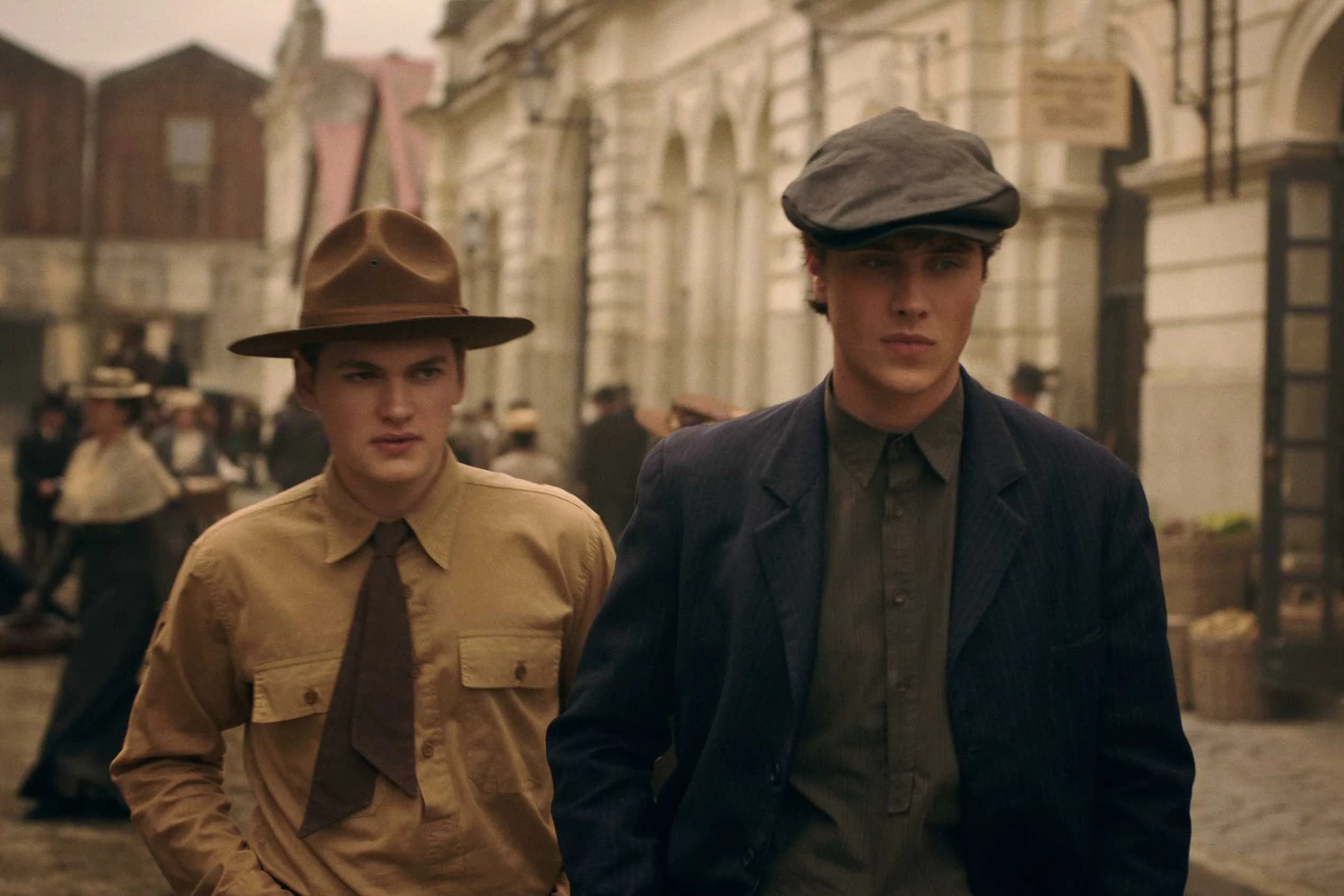
After Mr. Samuel punches some sense into Adam, Adam finally names the twins Cal and Aaron, and their names seem to fit them naturally. As the children grow up, so do their temperaments, traits, and characteristics.
Cal is a bit darker, not in complexion, of course, but in the way he thinks, while Aaron is more like his father, someone who sees happiness and joy in almost everything he does.
From the moment they got older, you could see that Cal was a troublemaker. But he was a troublemaker who just wanted to please his father, which was basically what Adam had been when he was younger. Adam had also wanted to please his father, and the cycle was repeating itself.
The fact that Adam was so absent-minded when it came to raising his children for almost the first ten years of their lives was terrible. He was becoming an even worse father than his own father had been, and then we got to watch Lee step in and do what Adam should have been doing all along. But Lee is coming up next, so let's focus on the children.
It was very vile of Cal to throw the truth about their mother in Aaron's face, especially after Lee had made him promise to keep it from his brother. I was disappointed in him for that. I understand where Cal was coming from, particularly when he tried to raise money to help his father. He did not do anything outright illegal. As much as his father accused him of scheming against the farmers, that boy simply wanted his father's approval.
But I think Aron was very delusional in believing that he was the one keeping the balance in the family, as though his father was looking up to him and his brother was looking up to him, too. It was ridiculous. It did not make sense because Aron had it easy in many ways.
His brother basically said, “You know what? I'm going to pay for you to go to university.” And Aron got there, became disappointed with what he found, and decided he wanted to enlist in the military instead.
It is a case of people born into luxury often failing to understand the sacrifices that the people around them have had to make.
His father genuinely wanted him to go to university, not simply because he wanted to boast about having a child in university, but because he did not want Aron to die in the military. He wanted his son to have a better future and better opportunities, something that he himself had not had.
Aron eventually went into the military for ten years, while Cal ended up becoming a farmer. In a way, Cal's life began to resemble that of his late uncle Charles, while Aron was determined to pursue a path that he believed would give his life meaning.
Aron was also bullheaded. Instead of focusing on university, he was essentially behaving like his father, to the extent that he began projecting his idea of a perfect life onto his girlfriend.
No matter how many times she told him, “Hey, I'm no longer that girl. I have some dark parts,” he simply glossed over it because it did not matter to him. He had an image of her in his head, and he was not interested in seeing anything that contradicted it. That was where he took after his father.
I was disappointed in Cal for telling Aron about their mother. But then, the fact that Aron went from discovering the truth about his mother to enlisting in the army and eventually meeting his death made me wonder: why? Why did everything have to end that way?
And to round it all up, Cathy still willed her inheritance to Aron, not Cal. Not the child she met first, but Aron, the child she believed was better.
I'm glad neither of the twins knew who was born first. I loved that detail because it meant neither of them could pull the older-brother card, and that was perfect.
Then there was the fact that Aron's girlfriend eventually ended up with Cal. Somehow, it felt like the sins of the fathers were being repeated in their children, with one woman coming between two brothers.
But in this case, because Aron was dead, I guess it was fine for Cal and his girl to move on together. They had more similarities. They could see the darkness in each other and understand it, which, to me, is how human relationships should work. We all have dark sides. None of us is perfect.
Aron, however, refused to acknowledge that darkness. He wanted to believe in perfection, both in himself and in the people he loved, and when reality shattered that image, he reacted by joining the military out of frustration and ultimately getting himself killed.
It was unfair, and you could see that Aron was Adam's favourite. No matter what Adam tried to say or not say, it was clear that Aron was the child he favoured.
Aron's death was particularly painful because it triggered Adam's eventual death and worsened his health issues. And what made it even more annoying was that Aaron seemed to think he was the Jesus of the family, when, in reality, he was simply the child who happened to be doing well.
But I also understand where some of that attitude might have come from. When you are the child who is always doing well, people begin to expect so much from you. And when you finally make a mistake, the reaction is often, “Oh, not you, Aron! I thought Cal would do something like this. I can't believe you did something like this!”
That kind of pressure can be exhausting, and I understand that Cal must have been dealing with his own version of it, especially when his brother was constantly seen as the better child.
However, Aron's hasty decision to enlist in the military was still uncalled for. He could have made a different choice, but he allowed his disappointment and frustration to dictate his actions.
And their relationship as siblings was just sad, especially when you consider that Charles was also dead. We had two generations of brothers fighting and bickering, with one brother eventually dying and the other left alive to carry the guilt.
First, there was Charles and Adam. Now, there were Cal and Aaron. Different generations, different circumstances, but the same cycle of rivalry, resentment, and loss.
It was as though history was repeating itself, and it was heartbreaking to watch.
Adam Trask
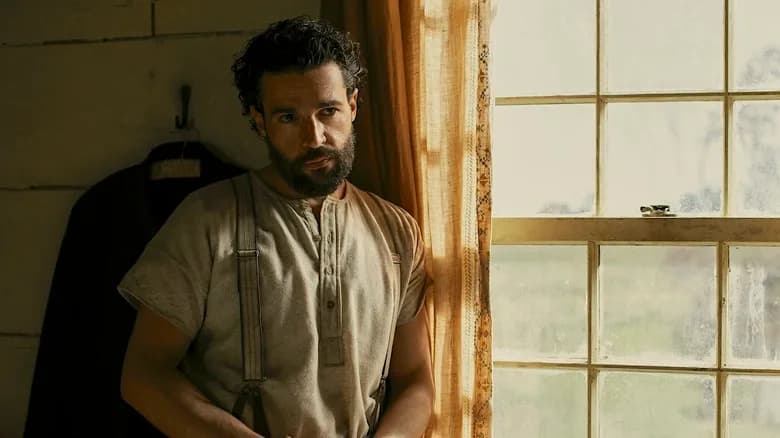
Adam was the most delusional human being. He annoyed the hell out of me throughout this series.
This woman was open with him. She told him straight up, “I don't want to do this. I don't want to go here. I don't want to go there.” And what did Adam do? He kept telling her, “Don't worry, I will make you happy when you get there.” Not if. When.
“I'm going to choose a house, and you're going to be happy. I'm going to get a job, and you're going to be happy. We're going to move to a ranch, and you're going to be happy.”
I mean, how delusional can one person be? How do you keep refusing to listen to what someone is telling you so plainly?
Adam's major problem was his inability to listen.
He did not listen to Charles when Charles warned him that his wife was a prostitute and was going to be the end of him. He did not listen to Cathy when she told him, “I do not want this type of life. I don't want to be with you. I don't want to go here.” He simply refused to listen.
He did not listen to Lee initially, either, when Lee was trying to communicate with him. It took Mr. Samuel punching some sense into him before he finally listened and named his children, almost a year after they were born.
He did not listen when Mr. Samuel told him to stay away from the brothel. He still went looking for Cathy. And even when he found her, it took him everything to listen to what she was actually saying.
I mean, oh my God! You cannot enforce love on somebody. You can share your love with them. You can tell them how you feel and show them how you feel. But ultimately, the other person has to decide whether to reciprocate that love and accept it.
You can lead a horse to water, but you cannot force it to drink.
Adam was trying to force everything in his life. He was forcing his idea of happiness onto Cathy and, in many ways, onto his children. It was just impossible.
What made it even sadder was realising that Adam had fallen off the fatherhood wagon and had become an even worse father than his own father. Sure, he was not physically abusive towards his children, but his emotional absenteeism was just unfair. It was totally unfair that his children had to suffer because he could not let go of a woman who had told him quite clearly that she was not interested in the life he was offering her.
And do not even get me started on the fact that Cathy shot him and would have killed him if Lee had not returned home that night.
Lee must have sensed that something was wrong and decided to return home that night. Cathy had given him the night off, yet he came back anyway. Had Lee not returned when he did, Adam could have been a dead man, and those children would have been orphans, because I do not count Cathy as a mother.
When someone tells you they do not want something, listen to them!
Yes, it sounds insane that someone would throw away a life of love, happiness, and contentment for a life of prostitution. It does not make sense to most people. But that was what Cathy wanted, and Adam simply could not accept it.
It took until the final moments, when the children were almost twelve, for it to sink into Adam's mind that his wife was truly not the person he thought she was.
The truth is, he never really knew her in the first place. Even when they first got married, his primary motivation was to get her away from Charles, and she still ended up sleeping with Charles anyway.
Adam is lucky those children were actually his and not Charles', because that was certainly a possibility, wasn't it?
He just refused to listen.
Now, Adam was a good man in many ways. It is good to see the good in people, but it is ridiculous to refuse to acknowledge that the good we see in people can coexist with the bad.
And that was Adam's major flaw: he kept trying to filter out the goodness in Cathy without understanding the evil that was at the very foundation of the person he was trying so desperately to love.
He wanted so badly to believe that Cathy could be the woman he imagined her to be that he refused to accept the woman she was actually showing him.
And thank God he did not die when she shot him, because that would have been such a painful way to go. His survival gave him the opportunity to finally confront the truth.
But the most painful part was that, at the moment he finally realised what Cathy was truly capable of, he decided to reach out to his brother, who had been dead for six months.
Do you understand the guilt of losing your brother over a disagreement about a woman he warned you was bad, only to discover years later that he was right and you were wrong?
Imagine realising that, after everything you had experienced in life, you had chosen to see only the good in someone who did not deserve that kind of blind faith. You had sacrificed your relationship with your brother because you were determined to defend a woman who was never going to be the person you wanted her to be.
It was very painful to watch Adam's health deteriorate, especially after his business ventures failed. The ice business did not work out, and then Adam had to enlist in the military. He suffered a stroke, and then another stroke. It was genuinely sad and painful to watch.
But the truth is, half of what happened to Adam could have been avoided if he had simply listened to his brother.
He could have had a different life with a different woman and the happy home he so desperately wanted. He could have had a better relationship with Charles, and his children might have grown up with a more present father.
Instead, he spent years chasing an illusion, and by the time he finally understood the truth, so much had already been lost.
Adam met his fate, and that is all I can say about that.
Cathy Ames
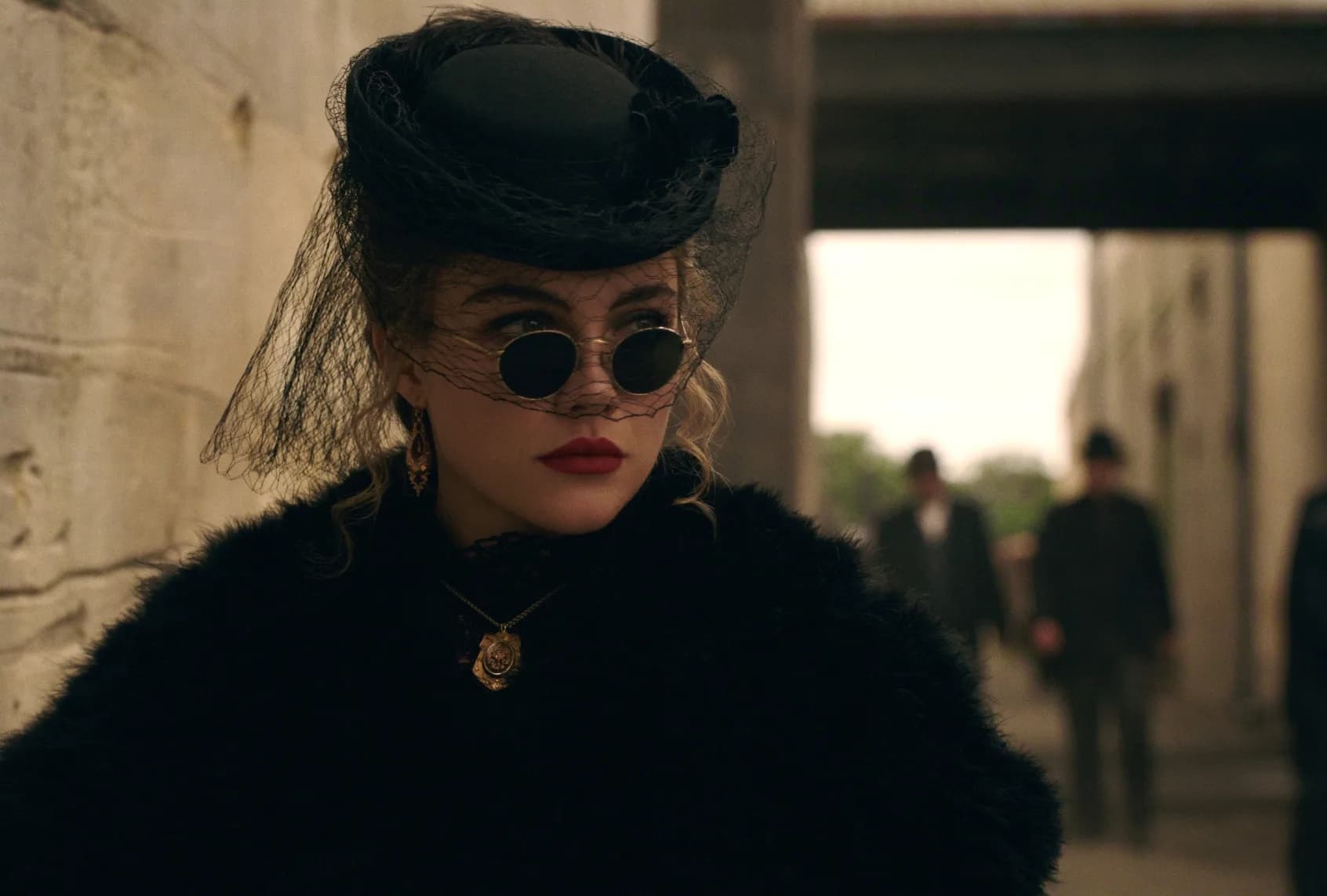
I'm going to be mindful of how I discuss this character because I do not want this review to become too long. But, goodness, where do I even begin with Cathy Ames?
Yes, it was unfair that she was sexually abused at the age of five. I don't know where her mother was or how she failed to notice that something like that had happened to her daughter. The fact that it went unnoticed was painful. But the decisions Cathy made and the trauma she chose to embrace as she moved through her teenage and adult years are another matter entirely.
I mean, this woman killed both her parents. She did not just kill her disciplinarian father; she killed her mother, too, and staged an escape. How dark do you have to be to murder your parents in such a gruesome manner and then push one of your teachers to his death?
Now, that teacher was obviously not an innocent man either, because he wanted to sleep with an underage girl. There is nothing romantic about that. But the fact that he ended up killing himself was still stressful to watch.
And then Cathy finally gets what she wants. She becomes a prostitute and finds someone willing to cater to her needs, but even that is not enough. She keeps robbing him until he becomes so exhausted with her that he attempts to kill her.
By sheer luck, she is saved by two brothers on their farm. And you would think that, at this point, she might decide to turn her life around. You would think she might say, “Okay, these are good people. Perhaps I can have a better life.”
But no. She goes straight into manipulation, even though Charles has already seen through her.
In fact, I think Cathy would have been better off staying with Charles rather than marrying Adam. She sees herself in Charles, and he can recognise the darkness in her because he understands that darkness within himself. In that sense, I think they might have made a better match than she and Adam ever could have.
And as if everything else were not enough, Cathy then tries to terminate her own pregnancy in a manner that nearly kills her. How psychologically troubled do you have to be to deliberately put your own body through something so dangerous?
Then the children are born, and she refuses to embrace them. She refuses to breastfeed them. She eventually attempts to kill her husband, escapes, and returns to prostitution.
And while working as a prostitute, she eventually kills the madam of the establishment and takes over the business herself.
But she does not simply become the new madame. She transforms the brothel into the darkest form of hell, where the most vicious, depraved, and deeply disturbing desires are catered to. On top of that, she keeps evidence against the men who visit her establishment so that she can blackmail them if they ever dare to cross her.
And then she gets herself caught up in a situation where she is nearly exposed.
I mean, why? Why would anybody choose to live like this?
I understand that Cathy explained her reasoning, but it still did not make sense to me that she would deliberately choose this life over the possibility of a happy home. Somewhere along the line, she decided that, after everything that had happened to her, she would only see the darkness in people and exploit it, refusing to acknowledge that there could also be goodness in them.
And that, to me, was Cathy's greatest tragedy. She had experienced terrible things, and she had every right to be angry about what had been done to her. But she allowed that darkness to become the foundation of her entire existence. She did not simply protect herself from the evil she had encountered; she became someone who deliberately inflicted suffering on others.
Now, beyond Cathy herself, we need to talk about the actress who played her: Florence Pugh.
Florence Pugh was phenomenal. That woman is exactly who she thinks she is! She is such an incredible actress, and the way she embodies characters in period dramas is remarkable.
If you have seen Little Women, you understand what I'm talking about. She is an amazing actress. Sometimes, I even have to remind myself that she is not Russian because of her association with the Black Widow franchise!
This woman embodies practically every role she takes on. Look at Oppenheimer. As brief as her appearance was in that film, she delivered. Little Women? She delivered. East of Eden? She delivered.
She is a phenomenal actress, and we need to watch out for her because I genuinely believe this is only the beginning. Florence Pugh's career is going to soar even further, and I cannot wait to see what she does next.
But as Cathy Ames? Goodness, I did not like her!
I understand the trauma she experienced as a child, and I understand that the story is trying to explore the relationship between good and evil, the choices people make, and the grey areas that exist between the two. I understand that this is part of what the novel is trying to portray.
But for me, there was no grey area when it came to Cathy. She was a bad person who chose to see the bad in others, exploit it, and use it to her advantage.
And that was it.
Lee
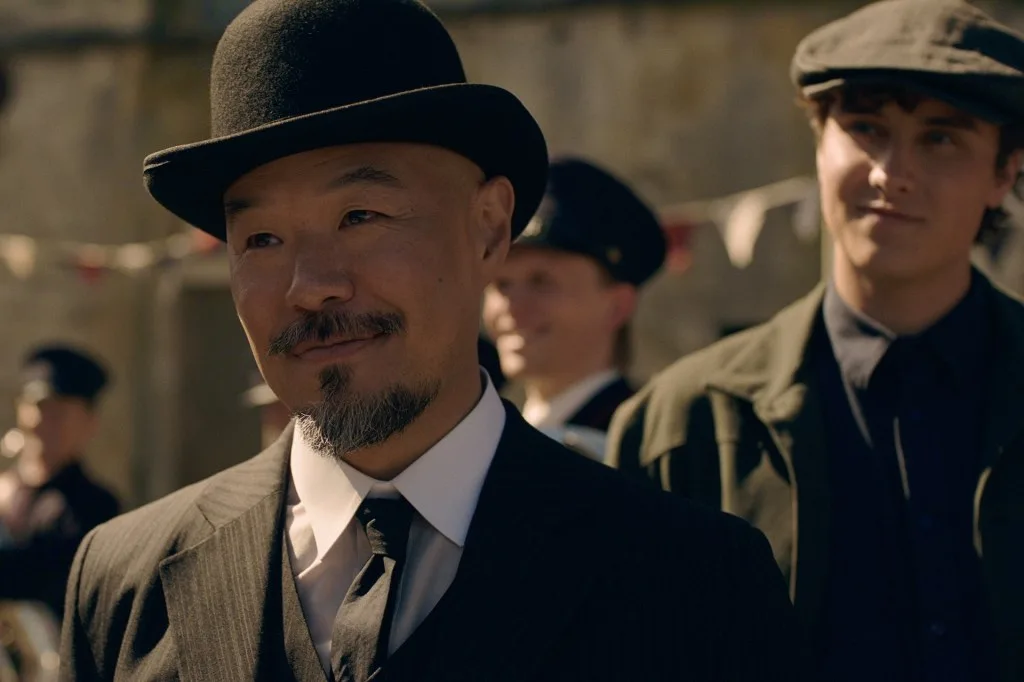
Finally, we have Lee, played by Hong Lee.
Lee's performance in East of Eden was the star of this show. And I know I just finished raving about Florence Pugh, but Hong Lee's performance? Masterful. Superb. Beautiful.
The way he embodied this role was so moving that you found yourself getting emotionally overwhelmed. Jesus, talk about an excellent performance! I would be surprised if he does not receive an Emmy nomination in the next awards cycle because, honestly, what a performance!
Now, when Lee started speaking pidgin English, I was like, okay, but this man is reading a book. How is he speaking pidgin? But eventually, we realised that it was all a disguise. And when he finally began speaking fluent English, you could see just how articulate and intelligent he was.
I was sad that his bookshop business did not work out the way he wanted. But the fact that he eventually returned to the Trask family, took ownership of the home, and ran it the way he saw fit without being reduced to the position of a servant was quite satisfying.
He became something more like Alfred from Batman: the person who held the household together, looked after everyone, and provided the kind of guidance that the family desperately needed.
And the way he loved those children! Lee was a father to them in every way that mattered. After Adam died, he was able to become an even better father figure to Cal because of the trust they had built over the years. He trusted Cal so much that he did not even question what Cal wanted to do with the money. He simply gave it to him, and Cal eventually paid him back, even with interest.
Lee was a spectacular human being who stepped in as a father, a mother, an uncle, and even a maid. Whatever capacity those children needed him in, he stepped into it without hesitation. And watching him do that was glorious.
His relationship with Mr. Samuel? I loved it. His relationship with Cal? Amazing. Lee was a breath of fresh air in this series, and his presence made the Trask household feel like a home even when the people who were supposed to hold it together failed miserably.
And for Hon Lee, the actor, oh my God! I genuinely hope he gets more opportunities to showcase his talent because he is an amazing actor. His performance was practically flawless, and he brought so much warmth, depth, and humanity to Lee that it is difficult to imagine the character being played any better.
For me, Lee was one of the most important characters in East of Eden. He was the person who listened when others refused to listen, who showed up when others failed to show up, and who loved those children without making them earn his affection.
In a family filled with people struggling with their own darkness, Lee was a reminder that goodness does not have to be loud to be powerful. Sometimes, it simply means being present, being patient, and choosing to love people even when they are difficult to love.
If you stayed up to this point, thank you. I recorded the review for my podcast but decided to turn it to a written version, thus the length.
East of Eden was a daring watch, but was worth it. You'll be pissed at varying points and will find yourself sighing continuously, but at the end, you'll embrace it.
Tags
Share
A
Anastasia Damian
Contributor
Anastasia Damian is a contributor to Kiribé, covering culture, cinema, and the intersection of art and society across the African continent and beyond.
Read next
MOVIE REVIEWS
TV Show Review: Crystal Lake
Crystal Lake delivers a bloody, suspenseful, and emotionally engaging origin story for Pamela and Jason Voorhees, with strong performances from Linda Cardellini and Hamish Linklater, proving that a horror series can stand on its own even when its place in the Friday the 13th timeline leaves fans divided.
Anastasia Damian
·
MOVIE REVIEWS
TV Show Review: Vision Quest EPs 1 & 2
VisionQuest is shaping up to be one of the MCU’s best shows, combining outstanding production, sharp dialogue, James Spader’s brilliant return as Ultron, heartbreaking sacrifices and a compelling exploration of Vision’s identity that proves a superhero story doesn’t always need explosions to be extraordinary.
Anastasia Damian
·

MOVIE REVIEWS
Movie Review: One Night Only
One Night Only is a predictable romance wrapped in an unpredictable and ridiculous premise. It works as light entertainment if you are willing to simply enjoy the madness, but the world it creates raises far more questions than the movie bothers to answer.
Anastasia Damian
·
Join the Conversation
Stay Ahead of the Story
Subscribe to Kiribé for premium entertainment journalism, exclusive interviews, and cultural commentary delivered weekly.