MOVIE REVIEWS
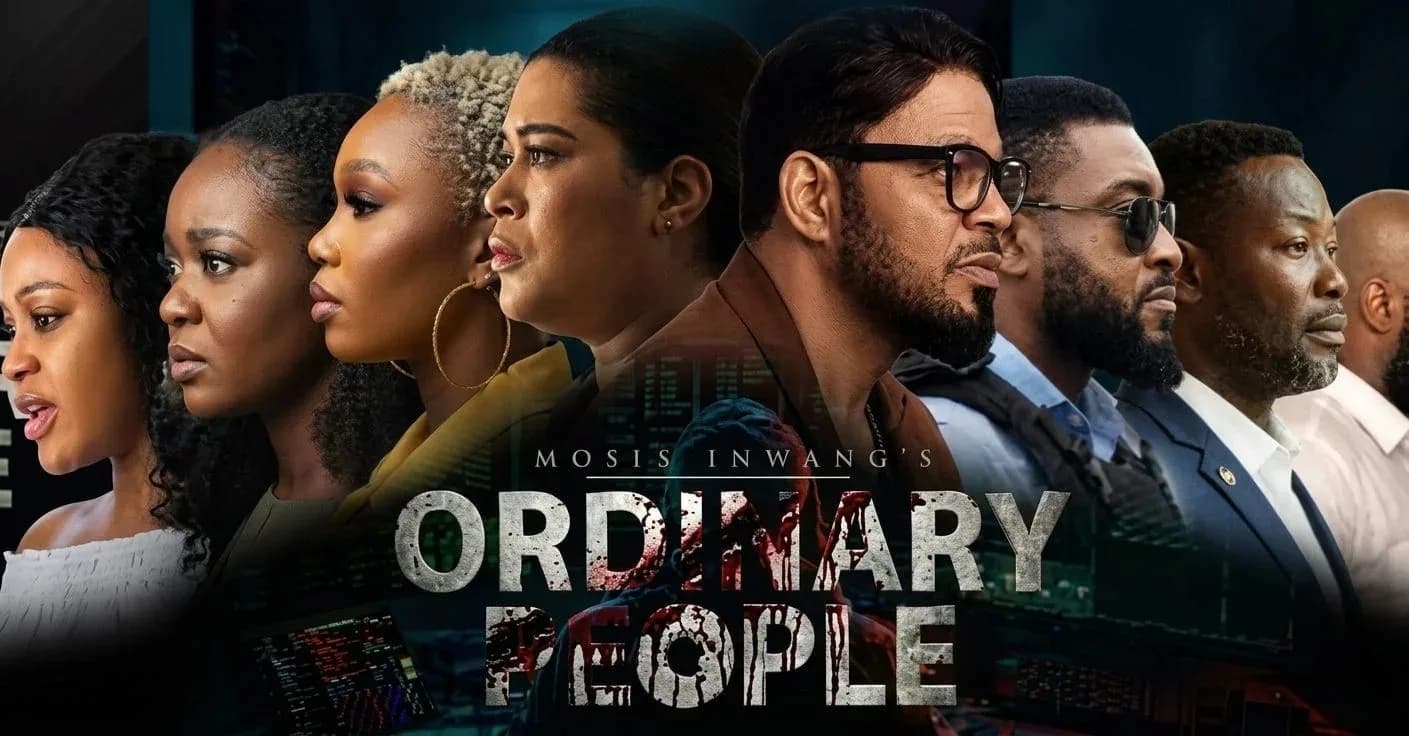
TV Show Review: Ordinary People
A
Anastasia Damian
8 min read
Ordinary People has a compelling premise, interesting side characters, and enough twists to keep things moving, but its constant narration, repetition and “let me tell you what you just watched” approach became exhausting and made the series feel like an audiobook explaining every single thing the audience is already watching.
When Netflix’s The Rig came out, Matt Damon, in an interview, explained how Netflix had somehow mandated them to build the dialogue on repeat, where every instance had someone repeating what was happening or what the plot was because Netflix believed people would be on their phones and, as such, that level of redundancy would help keep them in touch with what was happening. In other words, they want their movies to sound like an audiobook of the movie.
So, maybe I shouldn’t be so mad with Ordinary People, but I am.
Recap
The series has to do with the elaborate plan to make kidnapping mastermind Tornado and his wife pay for their crimes, with both the police and a bereaved brother coming for revenge.
The Plot
On the surface, it was entertaining, even plausible. Though the cyber security aspect and hacking had me cracking up, seriously. It’s fine to have imaginations, but the Nigerian limited version of that imagination makes watching things like that look funny. But let’s leave the hacking aspect and focus on how the story unfolded.
My entire annoyance with all eight episodes was the narration and primary school repetition. Jesus. Who do they think the target audiences are? Children? Brainless zombies. I sort of enjoyed the story, but having to hear each person tell the tale of their story while I watched it pissed me off. If I wanted an audio track, I would dive to Spotify. They took Netflix’s recommendation to the extreme.
Now, Guy Ritchie does this a lot, too, so it’s not a Nollywood thing, but here, every single piece of detail was narrated, even those I was watching. Why? Why exactly would I want that?
“I hacked their cameras since it was turned off and then hacked their phones, which they had on them, and was able to do so so… I did this because I’m a black hacker who…” Eternal Father!
The dialogue lacked intrigue. Not a single subtext in the entire movie. Basically, everything was laid out in the first episode. I guess it was done to keep you hooked, but I watched and wondered, hope I won’t have to sit through seven episodes of narration, and lo and behold, that was what I got. Seven episodes where someone got to walk me through what I was watching. I was frustrated beyond explanation. My whole irk with the movie was the step-by-step, walk-with-you-as-you-hear-us-unravel-the-thread-that-hooked-the-movie-together.
Even in cases where we had already watched a scene, it somehow got repeated two or three more times.
The movie will show Chinelo calling her mother, Tolu will recall Chinelo calling her mother, Dare will recall Chinelo calling her mother, which is how he traced her, and all three incidents are shown on the screen, three times! Why? We know Chinelo called. One mention and one show was enough to cover the basis, but somehow they felt it was better to repeat it.
Tenants and Side Conversations
While my annoyance is still very much with the whole narration, especially from Dare’s point of view, I couldn’t help but also pay attention to the side characters. At first, I was wondering, why do we even have Pere, an abuser, in the storyline? How does he help build the narrative? Or the cheating doctor, or the Ghanaians.
Those lives tried to reflect the very mundane things that our neighbours could be up to in private. Lasisi should not agree to play such a role again, please. I mean, I get it’s just a role, but nope. Not that type. Acting as a wife-beating comedian mirrors his life way too much and may lead people to start making assumptions about his real marriage.
I also don’t like how Aubrey didn’t play any significant role except being beaten. Even when a slither of hope came her way, she didn’t tap into it and fight, and I get it, not many people involved in domestic violence know how to fight back, but she could have been given something else.
The doctor got exactly what was coming for him. Sure, he did not get her pregnant, but he wanted something else and operated on her with no moral conscience whatsoever. If only Joy had just patiently waited for her boyfriend to come back. He didn’t seem to be the disappearing type. If anything, he kept trying to find her.
The Ghanaian couple were my favourite, to an extent, because he was sincerely not guilty. The jury is still out on whether he would have been found innocent of the embezzlement crime.
As for the gardener, it gives me great joy when greedy, stupid, senseless parasites get what is coming for them. He was moving like a stupid person. So, you recognised a fugitive, and the best thing you could do was approach them directly, taunt them, blackmail them, and then try to cash in a bounty. Who does that?
As for the “happily married undercover agent Tolu/Ebube,” I wonder what his definition of happily married is supposed to be. You sleep with your partner at night, then engage in video calls with family during the day. I do not stand with cheating, so, already, I wrote them off. They legit missed out on critical information because they were having sex.
As for Dare, it’s always strange, even in Hollywood movies, when civilians try to enact vengeance by themselves. He blew 50 million of his brother’s bereavement money on an estate he knows will be seized after Tornado is caught, all to find Tornado? Really? Seriously? Thank God, at least they found a way to tie Dare back to Tornado. It would have been a stupid role if all he did was hack his neighbours to get off. Also, why intentionally engage with the cop when you know you get knocked out a lot? And that cop, too, is the worst undercover agent. Who does not do reconnaissance on the neighbours? No sense of awareness, nothing. Just wanting to have fun and have sex.
With little Miss Crazy, it taught a lesson that many times people who are drowning will drag you in with them if you’re not careful. She was ill and refused to take the help and walked into the line of fire. He did not have to do that. Love should not make you a victim of your spouse’s circumstances. Don’t get me wrong, he was far beyond supportive, and even the reasons he was fairly stable. Did he have to walk into the line of fire with her? That was a dumb decision, and guess what? She’ll now get the help she needs and move on to have a good life, all on the basis of his death.
Tornado and Chinelo
Is it blackface when a black character gets very darkened for a role? Can’t say, but that’s what happened here. At first, I wondered how would they get someone to mimic their voice patterns, but from the baptism scene, something felt off, and when I realised it was black makeup, oh my gosh. I didn’t know how to feel about that.
The whole wanting to reconnect with their son was touching, but seriously, the risk they underwent to do so was just strange. Plus, they could have easily taken that boy, put him to sleep, and continued with their plan and smuggled themselves out of the country as a family.
Ramsey’s tone kept switching like he was struggling to sound like Tornado and also like Jonas Summers. Sometimes he came out sounding way too refined, but when you factor in seven years in Russia, it begins to make sense. But Chinelo’s tone, too, was shaky. In fact, the actors both struggled to sound refined and yet not too refined at the same time, and it slipped a lot.
Their escape plan, though, was cool, but again, when Ramsey had to describe the procedure, I cringed a whole lot. I wanted to scream, I know! I can see you had a total makeover to change identity. We don’t need to see it again. From the moment Jonas Summers was introduced, any reasoning person can fill in the gaps and realise he took Jonas’ life. Why did I have to listen to him narrate what they did? Seriously?
The Final Scene
I hope they are not thinking about a second season because it’s not worth it. Dare, after narrating his plots, decides to infuse himself into Tornado’s final plan and waste the time trying to make him remember who he killed almost ten years ago. A whole trained killer, and you couldn’t gas him up in the car, make him weak, take away whatever advantage he must have had? Make it make sense. Just make it make sense. Sure, he may not die, but my gosh, isn’t that a stupid thing to do?
Overall, the premise was fair, but that singular over-narration of every single freaking detail got me pissed off because I love to figure things out by myself in the movie, not have someone walk me by the hand every single time through every single scene.
Tags
Share
A
Anastasia Damian
Contributor
Anastasia Damian is a contributor to Kiribé, covering culture, cinema, and the intersection of art and society across the African continent and beyond.
Read next
MOVIE REVIEWS
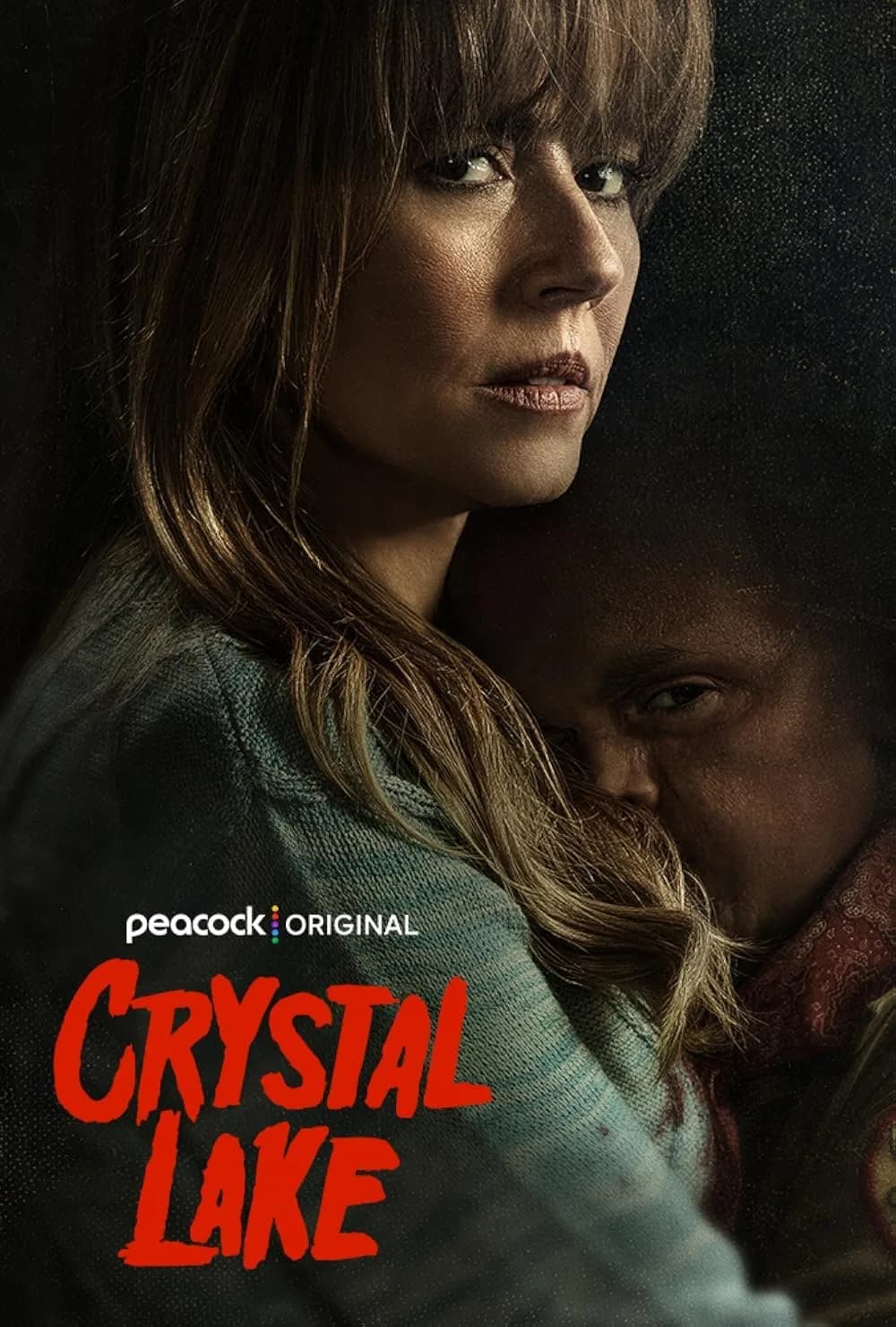
TV Show Review: Crystal Lake
Crystal Lake delivers a bloody, suspenseful, and emotionally engaging origin story for Pamela and Jason Voorhees, with strong performances from Linda Cardellini and Hamish Linklater, proving that a horror series can stand on its own even when its place in the Friday the 13th timeline leaves fans divided.
Anastasia Damian
·
MOVIE REVIEWS
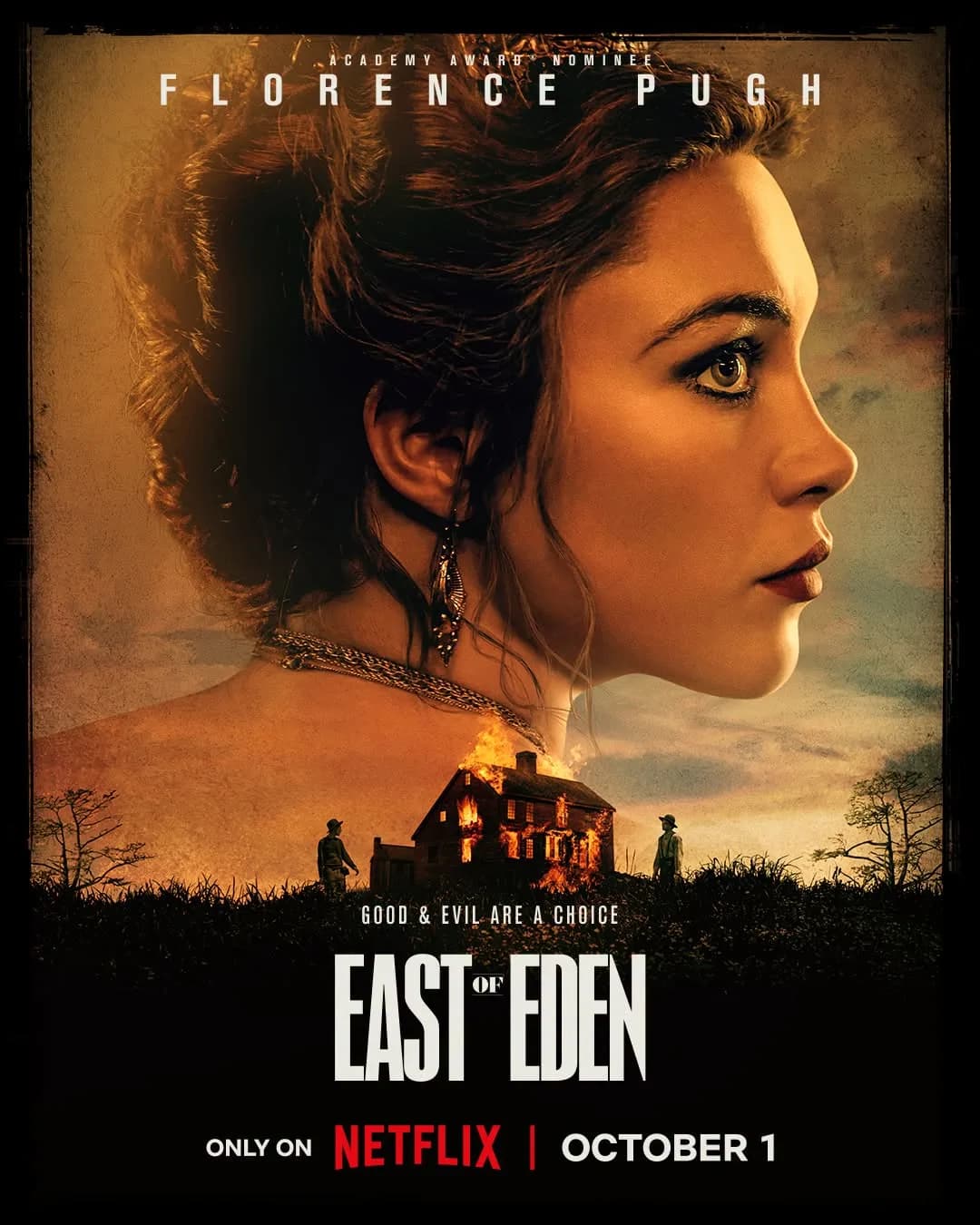
TV Show Review: East of Eden
East of Eden is a beautifully acted, emotionally gripping period drama about a dysfunctional family whose cycles of jealousy, betrayal, obsession, and loss reveal how the inability to confront our own darkness can destroy the people we love.
Anastasia Damian
·
MOVIE REVIEWS
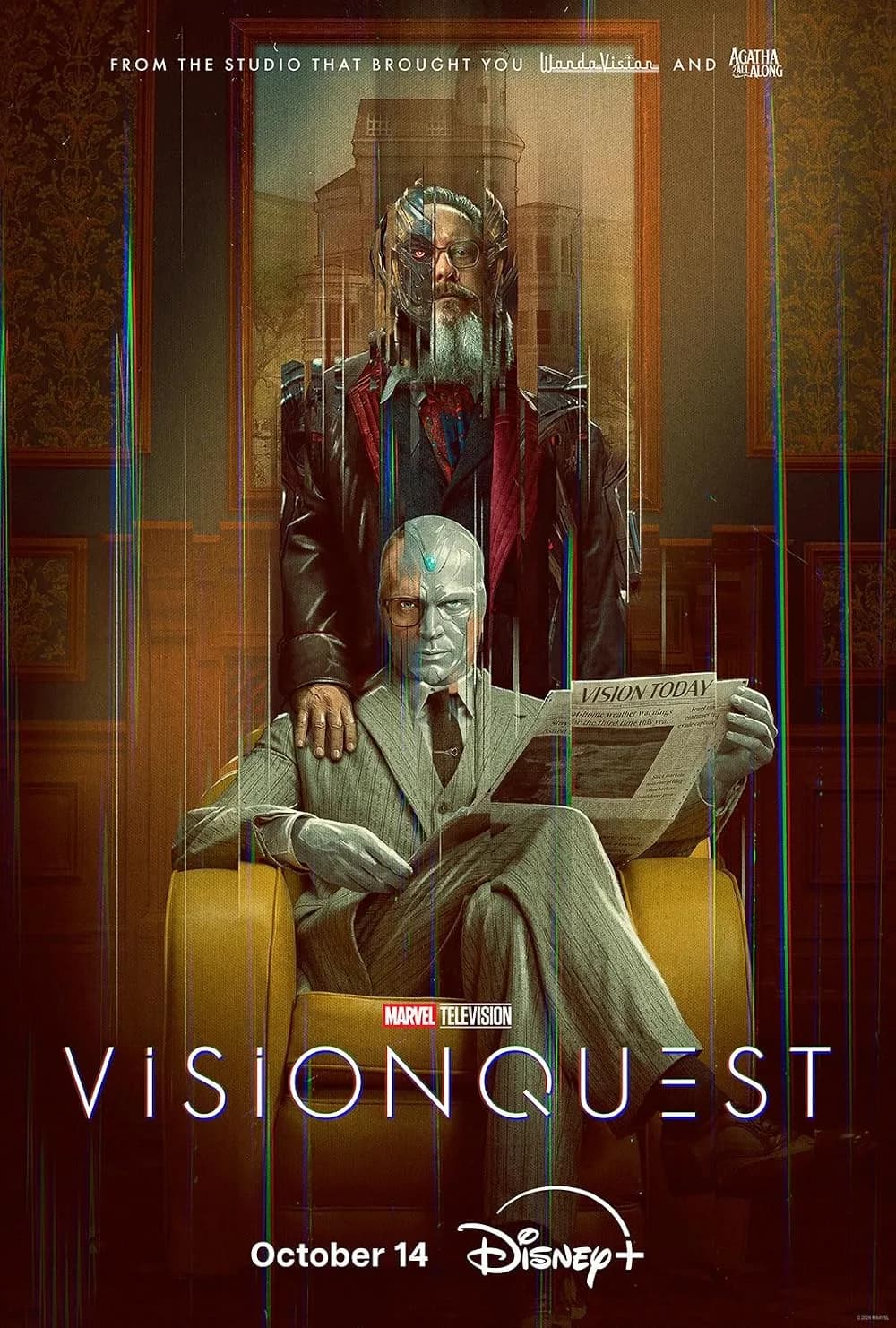
TV Show Review: Vision Quest EPs 1 & 2
VisionQuest is shaping up to be one of the MCU’s best shows, combining outstanding production, sharp dialogue, James Spader’s brilliant return as Ultron, heartbreaking sacrifices and a compelling exploration of Vision’s identity that proves a superhero story doesn’t always need explosions to be extraordinary.
Anastasia Damian
·
Join the Conversation
Stay Ahead of the Story
Subscribe to Kiribé for premium entertainment journalism, exclusive interviews, and cultural commentary delivered weekly.